
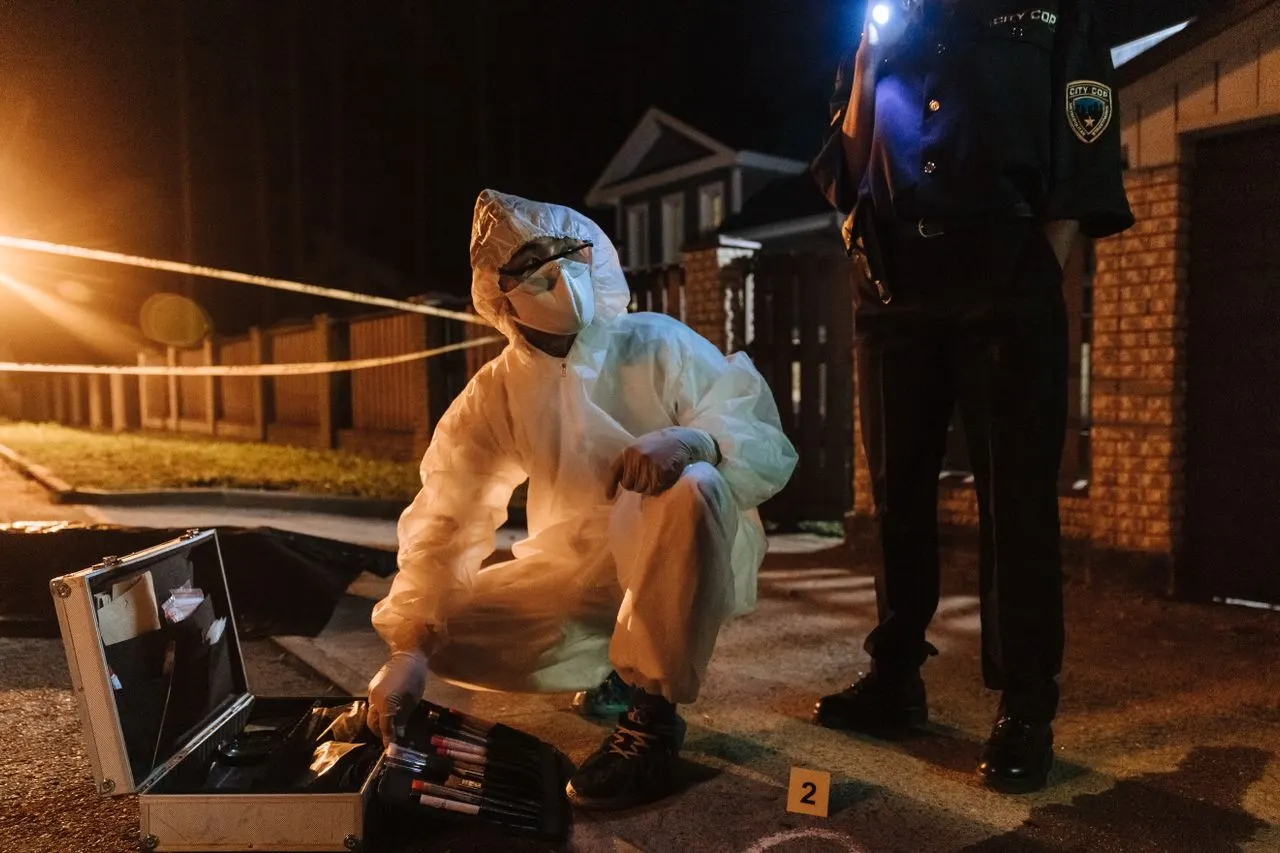
California has more associate-level forensic programs than a search for degrees titled exactly “Forensic Science” might suggest. Community colleges use names such as forensic technology, forensic studies, forensic crime scene investigation, and digital forensics, even when the coursework covers evidence collection, fingerprints, forensic photography, criminalistics, chemistry, biology, or laboratory methods.
That naming matters because these programs are not all designed for the same careers. Ventura College includes a relatively broad mix of natural science and forensic coursework. Grossmont, Southwestern, Palomar, and East Los Angeles College lean more heavily toward crime-scene work, evidence processing, fingerprints, photography, and forensic technology. Coastline College takes the field in a different direction with a fully online digital-forensics associate degree.
An associate degree can be useful for evidence technician, CSI support, identification, digital-forensics, and related entry-level roles. Students planning to become laboratory criminalists should generally expect to continue to a bachelor’s degree. California’s state Criminalist classification requires the equivalent of a bachelor’s degree with a major in a physical or biological science, including specific chemistry coursework.
For four-year options, see our guide to California bachelor’s degrees in forensic science. The broader forensic science degree guide for California also covers graduate and online programs.
California Associate Degrees With Substantial Forensic Training
| School | Program | Main Focus | Format |
|---|---|---|---|
| Ventura College | A.S. in Forensic Science | Science, evidence analysis, CSI, forensic lab methods | Campus-based |
| Grossmont College | A.S. in Forensic Technology | Fingerprints, photography, crime scenes, forensic analysis | Primarily campus-based |
| Southwestern College | A.S. in Forensic Studies | Evidence technology, fingerprints, photography, biology, chemistry | Campus-based |
| Palomar College | A.S. in Forensic Technology | Forensic science and evidence-focused technician training | Campus-based |
| East Los Angeles College | A.S. in Forensic Crime Scene Investigation | Crime scenes, evidence collection, fingerprints, photography | Campus-based |
| Coastline College | A.S. in Digital Forensics and Incident Response | Cyber investigations, digital evidence, incident response | Online |
| ATA College | A.S. in Criminal Justice, Crime Scene Investigation emphasis | CSI and criminal investigation | Online/hybrid |
The first five programs are the closest matches for students interested in physical evidence and crime-scene work. Coastline is a legitimate forensic degree, but it belongs to the digital/cyber side of the field. ATA is a private career-college program and is best viewed as a hybrid criminal-justice/CSI option rather than a laboratory-science degree.
Ventura College — A.S. in Forensic Science
Ventura College offers one of the broader science-oriented associate degrees in California. Its Associate in Science in Forensic Science requires 60 total units, with 45 units tied to the major and related requirements.
The program combines crime-scene and evidence work with biology, chemistry, statistics, laboratory methods, photography, report writing, and legal issues. Required and elective coursework can cover:
- Biology and biology laboratory
- Chemistry
- Statistics
- Introduction to Forensic Science
- Forensic Science Laboratory
- Legal Aspects of Evidence
- Forensic Photography and Digital Documentation
- Fingerprint examination
- Criminalistics
- Forensic anthropology
- Digital forensics
- Crime-scene management
Ventura describes the degree as preparation for field evidence technician and forensic laboratory technician work, while also positioning it as a foundation for students who may continue toward careers such as criminalist, forensic scientist, or crime scene investigator.
That last point is important. The A.S. gives students meaningful forensic and science exposure, but California’s state Criminalist classification still requires a qualifying bachelor’s degree. Students who already know they want professional laboratory criminalistics should plan the associate degree around transfer requirements from the beginning.
For 2026–27, Ventura College lists the California-resident enrollment fee at $46 per unit, plus applicable college fees.
Grossmont College — A.S. in Forensic Technology
Grossmont College’s A.S. in Forensic Technology is one of the strongest California community-college options for students interested in physical evidence and crime-scene work.
The 2026–27 catalog lists 42 units in the major, plus the college’s general-education and associate-degree requirements. The forensic sequence includes:
- Fingerprint Identification
- Forensic Photography
- Criminal Investigation
- Crime Scene Technology
- Forensic Analysis
- Advanced Forensic Photography
- Advanced Fingerprint Identification
- Biology with laboratory
- Forensic Chemistry or another approved chemistry course
Grossmont describes the program as appropriate for students interested in scientific criminal investigation and crime laboratories. The curriculum is particularly strong in fingerprints and photography, with both introductory and advanced courses in each.
The degree also includes more science than many CSI-focused associate programs because biology with lab and chemistry are built into the major. Even so, students interested in becoming laboratory criminalists should compare the chemistry and biology sequence with the bachelor’s program they intend to enter later.
An optional forensic public-service internship is among the recommended electives, which can be valuable in a field where agencies often want applicants who have seen real evidence procedures and professional workflows.
Southwestern College — A.S. in Forensic Studies
Southwestern College in Chula Vista offers an Associate in Science in Forensic Studies designed for students interested in evidence collection and forensic technician work.
The major requires 36 units, with additional general-education and graduation coursework needed for the associate degree. Required classes include:
- Introduction to Administration of Justice
- Criminal Law
- Legal Aspects of Evidence
- Principles of Investigation
- Written Communication in Administration of Justice
- Evidence Technology
- Latent Fingerprint Examiner
- Digital Forensic Photography
- Introduction to Biology
- Biology Laboratory
- Introduction to General Chemistry
Southwestern describes the degree as preparation for careers as field evidence technicians and forensic lab technicians. The program focuses on locating, collecting, and analyzing evidence and notes that practical experience can be important when students begin applying for paid work.
Compared with a general criminal justice associate degree, the biology, chemistry, fingerprint, evidence-technology, and forensic-photography requirements make this a much more focused route.
It remains primarily an entry-level or transfer-oriented program. Students who want advanced laboratory roles should expect to continue into a science bachelor’s degree.
Palomar College — A.S. in Forensic Technology
Palomar College added a new Associate of Science in Forensic Technology beginning in Fall 2026.
The program is especially relevant because it reflects current workforce demand rather than an older forensic concentration that has simply remained in a catalog. Palomar says the new A.S. and accompanying certificate are intended to prepare students for forensic-support careers, including work connected with crime laboratories and evidence processing.
The college’s current Administration of Justice department lists Forensic Technology among its degree options. Palomar developed new coursework for the program, including Introduction to Forensic Science, with hands-on experience in the collection, processing, and analysis of physical evidence.
Palomar identifies entry-level roles such as:
- Forensic technician
- Evidence custodian
- Crime scene specialist
- Related forensic-support positions
Because this is a new 2026 program, students should use the current Palomar catalog and academic plan when registering rather than relying on older references to the college’s former Administration of Justice–Investigations curriculum.
For San Diego County students, Palomar adds another public-college alternative alongside Grossmont and Southwestern.
East Los Angeles College — A.S. in Forensic Crime Scene Investigation
East Los Angeles College offers a 60-unit Associate of Science in Forensic Crime Scene Investigation with a clear field-CSI orientation.
The curriculum covers the practical work associated with documenting and processing scenes, including areas such as:
- Crime-scene investigation
- Crime-scene diagramming
- Digital photography
- Evidence collection
- Fingerprint classification
- Latent-print development
- Bloodstain evidence
- Weapon identification
- Gunshot-residue testing
- Criminal investigation
- Criminalistics
- Forensic ethics
ELAC also offers a shorter Certificate of Achievement in Forensic Crime Scene Investigation for students who want concentrated training without completing the full associate degree.
This is a better fit for someone interested in crime scenes, evidence, fingerprints, and identification work than for someone whose goal is chemistry-intensive laboratory analysis.
For California residents, ELAC uses the California community-college enrollment rate of $46 per unit, with additional college fees where applicable.
Online and Hybrid Associate Options
There are online options for California students, but they move into somewhat different parts of the forensic field.
Coastline College — A.S. in Digital Forensics and Incident Response
Coastline College offers a 60-unit A.S. in Digital Forensics and Incident Response that can be completed through its online cybersecurity program.
This is not a physical-evidence CSI degree. It is designed for students interested in cyber investigations and electronically stored evidence.
The 27-unit major includes coursework such as:
- Introduction to Cybersecurity
- Computer Networking
- Operating Systems
- Introduction to Digital Forensics
- Introduction to Incident Response
- Cybercrime and CSIRT Coordination
- Network Security
- Intermediate Digital Forensics
- Intermediate Incident Response
Coastline says its cybersecurity courses are offered fully online with access to remote laboratories and industry-recognized tools.
Potential career directions include digital forensics examiner, digital forensics technician, cybercrime analyst, cyber incident analyst, and incident responder.
For a California student who wants online forensic education, Coastline is one of the clearest in-state associate options. It should simply be understood as digital forensics rather than crime-scene or crime-laboratory science.
ATA College — A.S. in Criminal Justice With a Crime Scene Investigation Emphasis
ATA College in El Cajon offers a private-career-college alternative using online/hybrid classes.
The program is an Associate of Science in Criminal Justice with an emphasis in Crime Scene Investigation, rather than an A.S. in laboratory forensic science. ATA lists the accelerated program at 71 semester credits over approximately 62 weeks, or about 15 months.
The CSI emphasis includes courses such as:
- Principles of Investigation
- Search and Seizure
- Crime Scene Documentation
- Crime Scene Processing
The broader associate curriculum covers criminal justice and general education as well.
ATA can appeal to students who want an accelerated hybrid format and are primarily interested in law enforcement or CSI. Because it is a private career college, students should compare tuition, transferability, accreditation, and employer requirements carefully against California community-college alternatives before enrolling.
What About Other California Forensic Programs?
California’s community-college system includes additional forensic-related programs, but not all are dedicated associate degrees.
De Anza College, for example, currently offers certificates in Forensic Criminal Investigation Technician and Cyber Forensics and Investigations rather than a dedicated forensic associate degree.
Other colleges offer crime-scene, evidence, criminal-investigation, or forensic certificates that can be valuable for working professionals or students who already hold another degree.
This is one reason a statewide search has to go beyond the phrase “associate degree in forensic science.” Programs may sit under Administration of Justice, Criminal Justice, Cybersecurity, Forensic Technology, Forensic Studies, or Crime Scene Investigation.
Can You Become a Criminalist With an Associate Degree?
An associate degree alone generally is not enough for California’s laboratory Criminalist classification.
The state currently requires the equivalent of graduation from college with a bachelor’s degree in a physical or biological science, including at least:
- Eight semester hours of general chemistry
- Three semester hours of quantitative analysis
Students can review the current requirements through the California Criminalist examination bulletin.
This does not make an associate degree useless. It means students need to separate entry-level forensic support and CSI work from professional laboratory positions that require substantially more science.
The U.S. Bureau of Labor Statistics similarly lists a bachelor’s degree as the typical entry-level education for forensic science technicians, although some positions may accept an associate degree.
Choosing the Right Associate Program
The expanded California list makes more sense when programs are sorted by the kind of evidence students want to work with.
For a broad mix of forensic science and CSI: Ventura College combines science, laboratory work, evidence, photography, and investigation.
For fingerprints, forensic photography, and crime-scene technology: Grossmont has one of the deepest associate-level forensic sequences.
For evidence technology with biology and chemistry: Southwestern College combines field evidence coursework with introductory natural science.
For a new San Diego County forensic-technology pathway: Palomar’s A.S. launched in Fall 2026 and is specifically aimed at forensic-support work.
For crime-scene investigation: ELAC focuses heavily on scene processing, fingerprints, photography, and evidence recovery.
For online digital forensics: Coastline provides a fully online California public-college route centered on cyber evidence and incident response.
For hybrid CSI training: ATA offers an accelerated private-college program, although its criminal-justice orientation and cost structure should be compared carefully with public options.
Students planning to transfer should work backward from the bachelor’s degree they eventually want. A CSI-focused associate program may be excellent preparation for field evidence work but contain less chemistry, biology, physics, and mathematics than a four-year laboratory-science program expects.
California’s associate-level forensic landscape is not enormous, but it is broader than the degree title alone suggests. Searching by the actual career—crime scene investigation, forensic technology, evidence, or digital forensics—reveals considerably more options than searching only for programs named “Forensic Science.”