
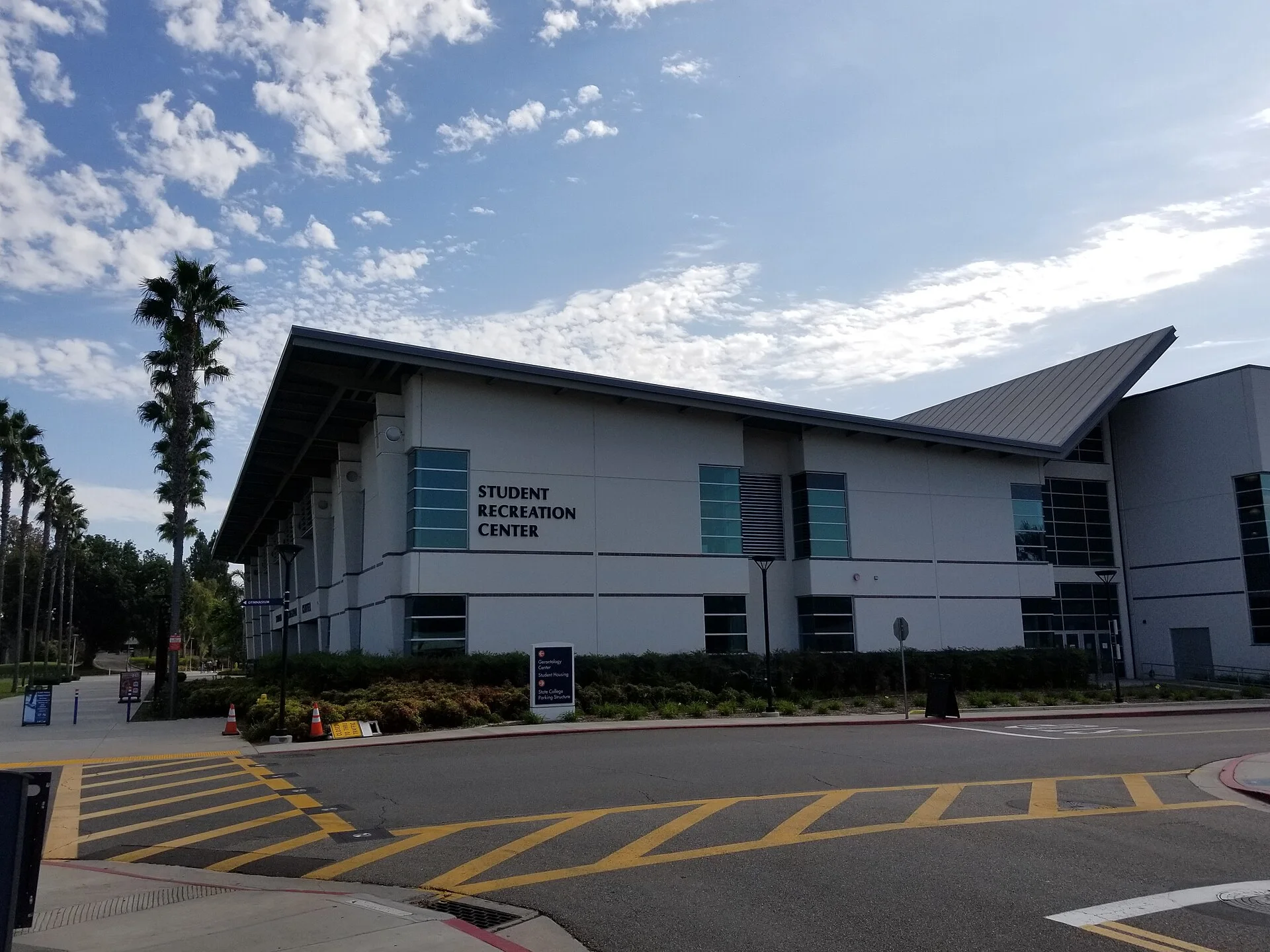
California State University, Fullerton does not offer a bachelor’s or master’s degree titled forensic anthropology. Its most direct option is a 12-unit Forensic Anthropology Certificate centered on human osteology, skeletal identification, and the interpretation of disease and trauma. CSUF also offers broader anthropology degrees that can incorporate forensic coursework, including a B.A. in Anthropology and an M.A. in Anthropology with an evolutionary anthropology specialization.
These programs prepare students for a different type of work than a general crime scene investigation program. Forensic anthropology focuses on human remains and skeletal analysis. A field CSI curriculum ordinarily gives more attention to scene photography, fingerprints, evidence recovery, documentation, chain of custody, and reconstruction. CSUF’s chemistry programs provide another path toward forensic laboratory work, but they are not forensic anthropology or CSI degrees.
This profile covers the institution’s current, materially relevant anthropology, chemistry, and investigative-analysis options. Readers comparing CSUF with other institutions can also browse the broader directory of California colleges and universities with CSI and forensic programs.
CSUF forensic and related programs at a glance
| Program | Credential | Primary focus | Format | Career alignment |
|---|---|---|---|---|
| Forensic Anthropology Certificate | 12-unit undergraduate academic certificate | Human osteology, skeletal identification, disease, trauma, and biological-profile methods | On-site in Fullerton | Graduate preparation, osteology, research support, museum or related human-remains work |
| B.A. in Anthropology | Bachelor’s degree, 120 total units with 45 units in the major | Broad anthropology with selectable osteology, forensic anthropology, bioarchaeology, and evolutionary anthropology courses | Campus based | Graduate study, anthropology research, cultural-resource work, and related entry-level roles |
| M.A. in Anthropology, evolutionary anthropology specialization | 30-unit master’s degree | Advanced theory, methods, research, osteology, and individually constructed forensic study | Classroom, laboratory, and field opportunities | Advanced anthropology employment, research, and preparation for doctoral study |
| B.A. in Chemistry | Bachelor’s degree | Chemistry with laboratory work, quantitative analysis, physics, calculus, and research | Campus based | Laboratory science and possible forensic science applications |
| B.S. in Chemistry | Bachelor’s degree | Deeper chemistry, mathematics, laboratory, instrumentation, and research preparation | Campus based | Forensic chemistry, criminalistics preparation, professional chemistry, and graduate study |
| Chemistry Minor | Undergraduate minor of at least 24 units | General, organic, quantitative, and upper-division chemistry | Campus based | Supplemental science preparation for another major |
| Crime and Intelligence Analysis Certificate | Professional development certificate | Crime patterns, statistics, intelligence, link analysis, and reporting | Live virtual sessions | Crime analyst, intelligence analyst, fraud analysis, and related analytical work |
Only the first program is a dedicated forensic anthropology credential. The anthropology degrees can support a forensic emphasis through selected courses and research. Chemistry and crime analysis are adjacent pathways leading toward different occupations.
Forensic Anthropology Certificate
CSUF’s Forensic Anthropology Certificate is the university’s clearest undergraduate option for focused study of skeletal remains. It is an academic certificate issued by the university, not a professional certification from the American Board of Forensic Anthropology.
The certificate requires 12 units:
- ANTH 343 Human Osteology
- ANTH 443 Advanced Topics in Human Osteology
- ANTH 444 Forensic Anthropology
- One elective selected from ANTH 426 Bioarchaeology, ANTH 441 Human Variation, or ANTH 453 Human Evolutionary Anatomy
Students must earn a B or better in every certificate course. The required sequence begins with human osteology and advances into upper-division skeletal and forensic analysis. CSUF describes the curriculum as training in the identification of human bones and the use of methods associated with age estimation, sex estimation, and the recognition of anomalies related to disease and trauma.
This is a concentrated skeletal-analysis curriculum. It is not built around fingerprints, bloodstain patterns, forensic photography, property-room operations, or general crime-scene evidence collection. Someone seeking work as a crime scene technician would need a curriculum with more direct coverage of scene processing, documentation, evidence packaging, chain of custody, and courtroom reporting.
Laboratory and practical experience
The Anthropology Department documents a biological anthropology teaching laboratory and research rooms. Those resources support the certificate’s osteology and biological anthropology coursework, but the current certificate description does not list a required internship, field recovery exercise, medicolegal placement, or supervised forensic casework component.
That limitation has practical consequences for long-term career planning. Coursework in skeletal identification provides a foundation, but professional forensic anthropology also relies on supervised applied training and case experience. Applicants comparing future graduate programs should place substantial weight on access to skeletal collections, faculty casework experience, medical examiner or coroner partnerships, field recovery training, and documented opportunities to participate in applied research.
The certificate’s current program page does not specify whether it is limited to enrolled CSUF students, available to post-baccalaureate students, or accessible through another admission route. It also does not publish a separate certificate tuition total. The required sequence and B-grade standard are clear, while admission eligibility remains unresolved in current public materials.
What the certificate can and cannot do
The certificate can add focused osteology and forensic coursework to an undergraduate education. It may be useful preparation for graduate study in biological anthropology, evolutionary anthropology, bioarchaeology, or forensic anthropology. It can also support applications for research-assistant, museum, laboratory-support, or osteology-related opportunities where the employer accepts bachelor’s-level preparation.
It does not qualify a graduate to practice independently as a forensic anthropologist. The American Board of Forensic Anthropology describes advanced graduate education, practical experience, and professional certification as components of the career route. Its Analyst Certification requires at least a master’s degree in anthropology or a related field with an emphasis in biological or forensic anthropology, along with documented practical training. The doctoral route requires a Ph.D. in anthropology or a related field with the appropriate emphasis.
A university certificate and ABFA professional certification are therefore separate credentials serving different purposes.
B.A. in Anthropology with forensic coursework
The B.A. in Anthropology requires 120 total degree units, including 45 units in the major. It provides a broader undergraduate foundation than the 12-unit certificate by covering biological anthropology, archaeology, cultural anthropology, theory, methods, and upper-division electives.
Relevant course options include:
- Human Osteology
- Advanced Topics in Human Osteology
- Forensic Anthropology
- Bioarchaeology
- Human Variation
- Quantitative Methods in Anthropology
- Human Evolutionary Anatomy
This selection allows a student to construct an undergraduate plan with meaningful forensic and skeletal-analysis content. The degree itself remains a general Anthropology B.A., however. It is not a dedicated forensic anthropology major, and the amount of forensic preparation depends on the courses selected.
The broader curriculum is useful for graduate admission because forensic anthropology is grounded in anthropology rather than limited to a small set of technical courses. Archaeology can contribute excavation and recovery methods. Biological anthropology supplies the study of human variation and evolution. Quantitative methods support data analysis, while anthropology theory and writing develop the research skills expected in graduate school.
CSUF also lists internship and independent-study options within anthropology, although neither is identified as a mandatory forensic placement. The documented biological anthropology teaching laboratory provides an instructional setting for relevant coursework. Current program materials do not promise access to medicolegal cases or law-enforcement investigations.
A practical undergraduate route would combine the Anthropology B.A. with the certificate requirements where university overlap rules permit. That plan offers both disciplinary breadth and a defined forensic course sequence. Students targeting doctoral study may also benefit from statistics, chemistry, biology, anatomy, research methods, and independent research beyond the minimum forensic courses.
M.A. in Anthropology with evolutionary anthropology specialization
CSUF’s M.A. in Anthropology is a 30-unit program with specialization available in evolutionary anthropology. The department does not advertise a named forensic anthropology concentration. Instead, graduate students can build a forensic-oriented plan through methods courses, electives, and research.
The degree consists of 24 coursework units and six units devoted to an examination, thesis, or project route. Its curriculum includes theory and methods seminars, research design, selected-topic seminars, and upper-division or graduate electives. The graduate handbook identifies Advanced Human Osteology and Forensic Anthropology as approved methods options.
The evolutionary anthropology specialization is the most closely aligned route for skeletal and biological study. A student could pair those methods courses with a thesis or project involving osteology, human variation, bioarchaeology, or another relevant topic, subject to faculty supervision and program approval.
Facilities and research structure
The graduate handbook lists a biological anthropology teaching laboratory, archaeology teaching laboratory, research rooms, a computer laboratory, a teaching museum, and archaeology research and curation facilities. The department also describes field and laboratory research opportunities and independent work with original data.
Those resources support advanced anthropology research, but the M.A. is not presented as a professional casework program. Current materials do not promise a medical examiner placement, supervised forensic caseload, or instruction by an ABFA-certified practitioner. A research project involving skeletal methods and a supervised medicolegal practicum are not interchangeable experiences.
The M.A. is still more relevant to advanced anthropology employment and doctoral preparation than the undergraduate certificate alone. The U.S. Bureau of Labor Statistics reports that anthropologists and archaeologists typically need at least a master’s degree, with some positions requiring a Ph.D. Employers can also favor applicants with field or laboratory experience.
Admission and completion
Applicants generally need a bachelor’s degree in anthropology or a suitable body of anthropology coursework. The department identifies approximately 21 anthropology units and a 3.0 anthropology GPA as normal preparation. Application materials include:
- A letter of intent
- Three recommendations
- A list of anthropology courses
- Transcripts
- A writing sample
- A CV or resume
The GRE is no longer required. The department handbook describes full-time and part-time plans that can be completed over two or three years. Published deadlines can change by admission cycle; the graduate page listed May 1 for Fall 2026 applicants.
This degree works best as a research-oriented bridge to advanced study rather than as a terminal claim of professional forensic qualification. Someone planning to pursue independent forensic anthropology practice will generally need doctoral education, extensive practical training, case exposure, and professional certification after the master’s level.
Chemistry options for forensic laboratory preparation
Forensic anthropology and forensic chemistry lead toward different work. Forensic anthropologists analyze human remains. Forensic chemists and criminalists may analyze controlled substances, trace materials, fire debris, toxicological evidence, or other chemical samples, depending on the laboratory and position.
CSUF does not offer a degree titled forensic chemistry or forensic science. Its chemistry department does, however, identify forensic scientist as one occupation its programs are designed to support.
B.A. in Chemistry
The B.A. in Chemistry requires 44 units of chemistry and 16 related units. CSUF explicitly names forensic sciences as one possible application of the degree.
Required preparation includes general, organic, quantitative, inorganic, and physical chemistry. Students also complete organic and quantitative laboratories, physics laboratories, calculus, and senior research or independent study.
This degree provides considerably more chemistry and laboratory science than the anthropology pathways. It is suitable for someone interested in the scientific analysis of evidence rather than skeletal identification. It does not teach crime-scene processing as a central subject, and it is not a substitute for the anthropology coursework needed to study human skeletal remains.
B.S. in Chemistry
The B.S. in Chemistry provides the deepest laboratory-science preparation among CSUF’s related undergraduate options. The degree includes 41 chemistry units, 25 support-course units, and nine units of adviser-approved upper-division electives.
The curriculum includes:
- General chemistry
- Organic chemistry
- Quantitative chemistry
- Inorganic chemistry
- Physical chemistry
- Multiple chemistry laboratories
- Calculus through multivariate calculus and differential equations
- Physics with laboratory work
- Senior research or independent study
Compared with the B.A., the B.S. supplies more advanced mathematics, laboratory work, and upper-division science. That preparation aligns more closely with forensic chemistry or criminalistics pathways than the anthropology certificate does. The program page also states that students can qualify for American Chemical Society degree certification by completing additional specified coursework, although current CSUF materials are not fully consistent about the exact additional course list.
Neither chemistry degree guarantees eligibility for every government crime-laboratory classification. Laboratory positions can specify particular combinations of chemistry, biology, biochemistry, physics, quantitative analysis, and laboratory coursework. The B.S. offers the stronger base when the goal is analytical chemistry, graduate chemistry, or laboratory criminalistics.
Chemistry Minor
The Chemistry Minor requires at least 24 units. CSUF explicitly identifies it as appropriate for students interested in forensic science.
Required subjects include general chemistry, organic chemistry, quantitative chemistry, and approved upper-division coursework. Elective possibilities include spectroscopy, separations, mass spectrometry, quantitative laboratory work, and research.
The minor can strengthen an Anthropology B.A. or another science major, especially for someone who wants broader laboratory literacy. It remains a supplemental credential rather than a stand-alone forensic science program. An anthropology major with a chemistry minor would gain useful scientific breadth, but the combination would still differ from a full chemistry degree designed around advanced laboratory analysis.
Crime and Intelligence Analysis Certificate
CSUF University Extension offers a Crime and Intelligence Analysis Certificate through scheduled live virtual sessions. It generally takes six to seven months and has an approximate published program cost of $4,675, subject to change.
Its eight-course curriculum covers criminal intelligence, statistical analysis, crime patterns, link analysis, open-source intelligence, visual investigative analysis, regulations, and professional reporting. Admission requires prior introductory criminal justice and criminal law coursework or relevant work experience, plus basic computer skills.
An optional 100-hour supervised practicum can be completed in a law-enforcement crime or intelligence unit. The practicum is not required for certificate completion and carries a separately listed $65 fee after qualifying hours are approved.
This program prepares crime and intelligence analysts rather than forensic anthropologists, criminalists, or crime scene technicians. Analysts examine crime patterns, relationships, trends, records, and intelligence information. They ordinarily do not identify skeletal remains or conduct chemical testing of physical evidence.
Tuition, format, and accreditation
For 2026-27, CSU systemwide undergraduate tuition is $6,838 per academic year for enrollment above six units per semester. Part-time undergraduate tuition is $3,962 per academic year. Graduate tuition is $8,548 per academic year for enrollment above six units per semester, with part-time graduate tuition of $4,960.
CSUF lists graduate tuition plus fees of $5,114.58 per semester at seven or more units and $3,320.58 at zero to six units. These amounts do not include every required fee. Nonresident students pay an additional $471 per semester unit. Housing, food, transportation, books, supplies, and personal expenses are separate from tuition.
A fixed four-course price for the Forensic Anthropology Certificate is not available. Actual cost varies based on whether the courses are completed within a degree, the number of units taken each term, residency status, campus fees, and course sequencing.
CSUF is institutionally accredited by the WASC Senior College and University Commission. WSCUC separately records the Forensic Anthropology Certificate as an on-site, non-degree program delivered at the Fullerton campus. This is regional institutional accreditation, not specialty forensic science accreditation. No FEPAC accreditation or claim that the curriculum meets FEPAC standards was established for these programs.
Choosing the appropriate CSUF pathway
The Forensic Anthropology Certificate is the direct choice for focused undergraduate study of bones, osteology, biological profiles, disease, and trauma. Pairing it with the Anthropology B.A. creates a broader foundation for graduate anthropology study.
The Anthropology M.A. provides more advanced research training and allows a forensic-oriented plan through evolutionary anthropology, osteology, methods courses, and a thesis or project. It remains an individually constructed emphasis rather than a named forensic anthropology concentration. Professional practice usually extends beyond this degree into doctoral education, applied case training, and certification.
Laboratory criminalistics calls for a different plan. The Chemistry B.S. supplies CSUF’s strongest combination of chemistry, mathematics, laboratory work, and research. The Chemistry B.A. offers substantial scientific preparation with somewhat less depth, while the Chemistry Minor can supplement anthropology or another major.
Crime analysis is separate again. The Extension certificate focuses on patterns, statistics, intelligence, and analytical reporting. It is appropriate preparation for analytical roles in law enforcement or related agencies, not for skeletal examination or physical-evidence testing.
CSUF therefore offers several routes connected to forensic or investigative careers, but each prepares for a distinct function. Match the curriculum to the work: anthropology for human remains, chemistry for laboratory analysis, and crime analysis for patterns and intelligence. Field CSI applicants will need more direct training in scene documentation, photography, evidence recovery, fingerprints, and chain of custody than CSUF’s current forensic anthropology curriculum provides.